SOLUTIONS FOR YOUR SUCCESS

Profesional engineering at your disposal

SERVICES

CAD

RENDERS

ANALYSIS

PROTOTYPING

3D SCANNING

CNC MACHINING

COMPOSITE MATERIALS

COMPUTER-AIDED DESIGN

SOLUCIÓN

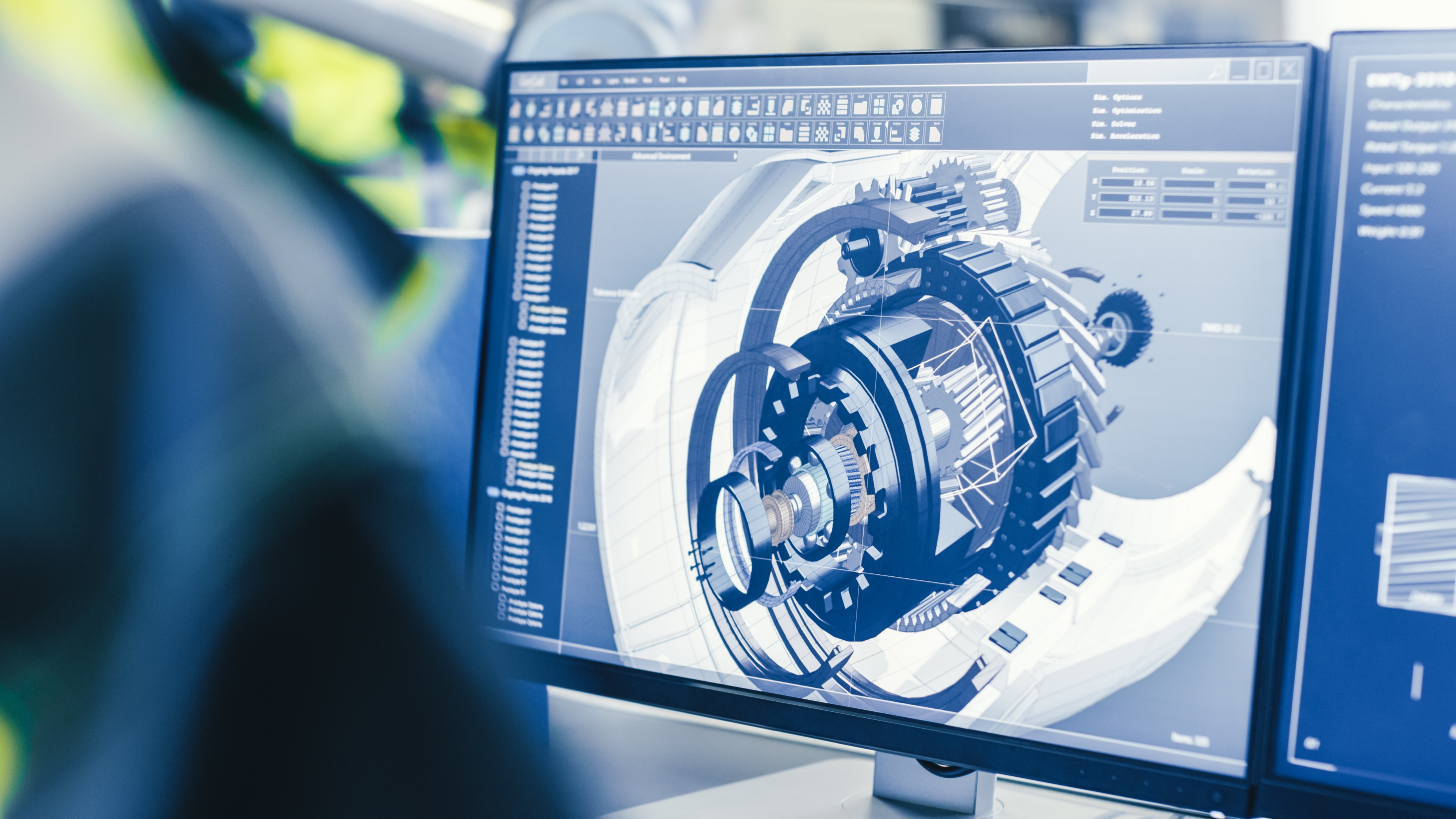
Computer-Aided Design (CAD) is a feasible process to visualize, analyze and evaluate your project’s viability through the bidimensional and tridimensional modeling of its physical objects using software specialized in product design. Implementing CAD technologies allows our engineers to interactively test many design variants without the need to manufacture physical prototypes for each modification done to the design, with the objective to reduce development costs and increase our design speed.

In other words, with CAD we have the ability to develop your project in an agile, precise and quality-driven way, which in turn increases the possibility of achieving a fault-free design for later manufacturing once the digital model meets your expectations.

DESIGN RENDERING

SOLUCIÓN

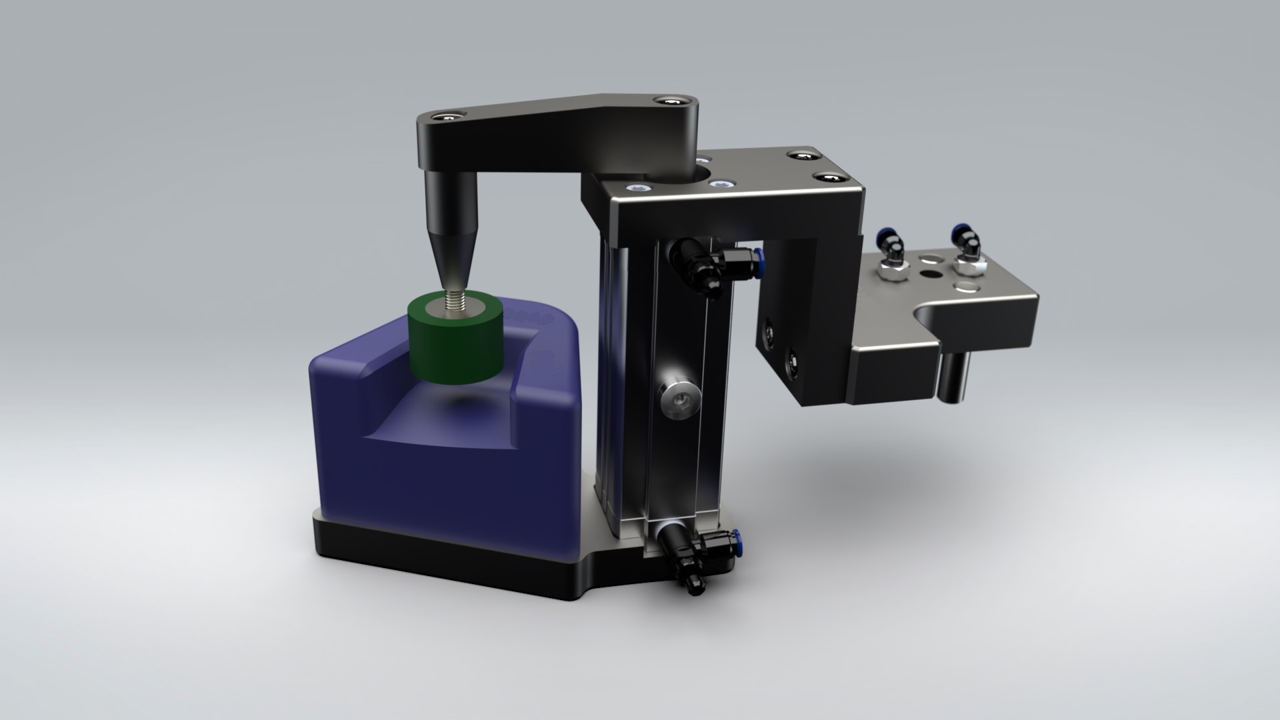
Renders are graphic representations generated from 2D and 3D models, that with the use of depth, texture and lighting effects seem extremely realistic. The rendering of your project´s models allow us to provide you with a better understanding of the proposed design and its features, since it enables the digital visualization of different components in a large range of materials, as well as tinkering with their surface finishes according to the manufacturing method or coating to be applied in its manufacturing phase.

The rendering of your project allows us to give you a better representation of how the finished product would look once its components are manufactured and assembled.

ANALYSIS OF MECHANISMS

SOLUCIÓN

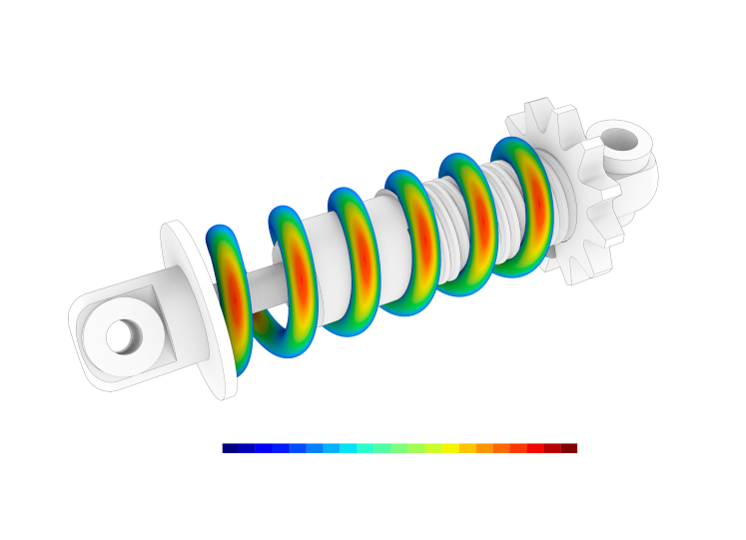
A type of analysis we perform in Trantech is Finite Element Analisis (FEA), which consists in dividing an object in thousands or hundreds of thousands of finite elements with a given geometry so that the design software can predict though a series of mathematical equations each element’s behavior and ultimately sum those individual calculations to understand the designed object’s real-life behavior.

This analysis allows us to provide you with information regarding a product’s reactions to physical variables such as applied forces, vibration, heat, fluid flow, among many other, by means of their digital approximations. Though this method we can determine if your product will break, wear away or work properly once it's been manufactured, which enables us to take corrective action against undesirable behaviors and increase your product’s quality and performance.

DESIGN PROTOTYPING

SOLUCIÓN

The following manufacturing methods help us obtain representative components of our clients’ final products during the design phase of development, which have mechanical specifications that approximate those required by the design with the objective of verifying those properties and the product’s dimensions to confirm the design fits our clients’ needs and specifications.

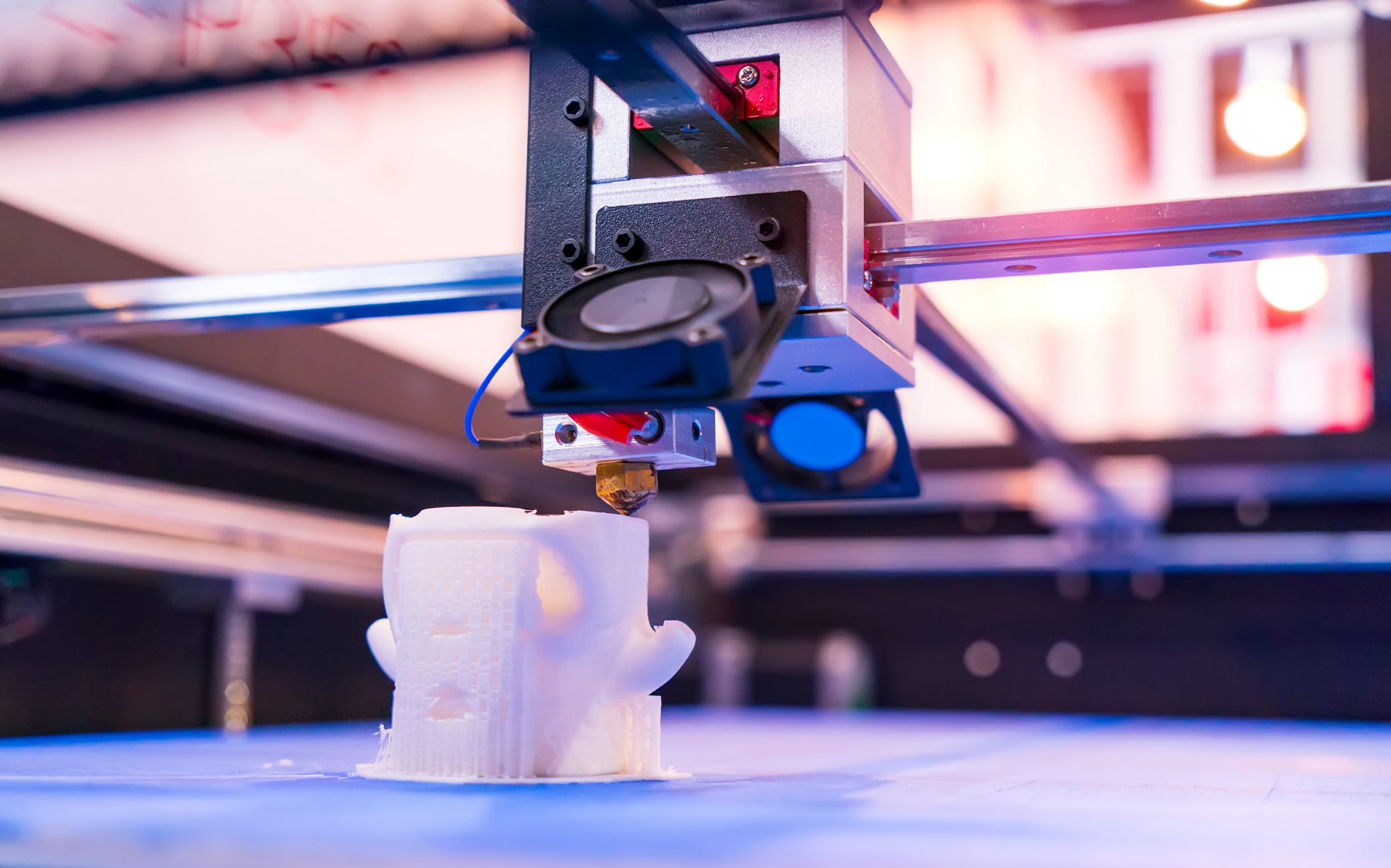
3D Printing: Rapid 3D printing allows us to manufacture prototypes 10 times faster than with conventional methods at a lower cost with the use of additive manufacturing. This method is commonly used when dealing with components that have complex geometries too expensive and elaborate to be manufactured with other methods.

Laser Cutting: This process is mainly used to cut materials such as cardboard, MDF, plastic plates and even some types of metal sheets depending on the laser cutter’s capabilities. The use of laser allows us to quickly fabricate precisely cut prototypes.

3D SCANNING

SOLUCIÓN

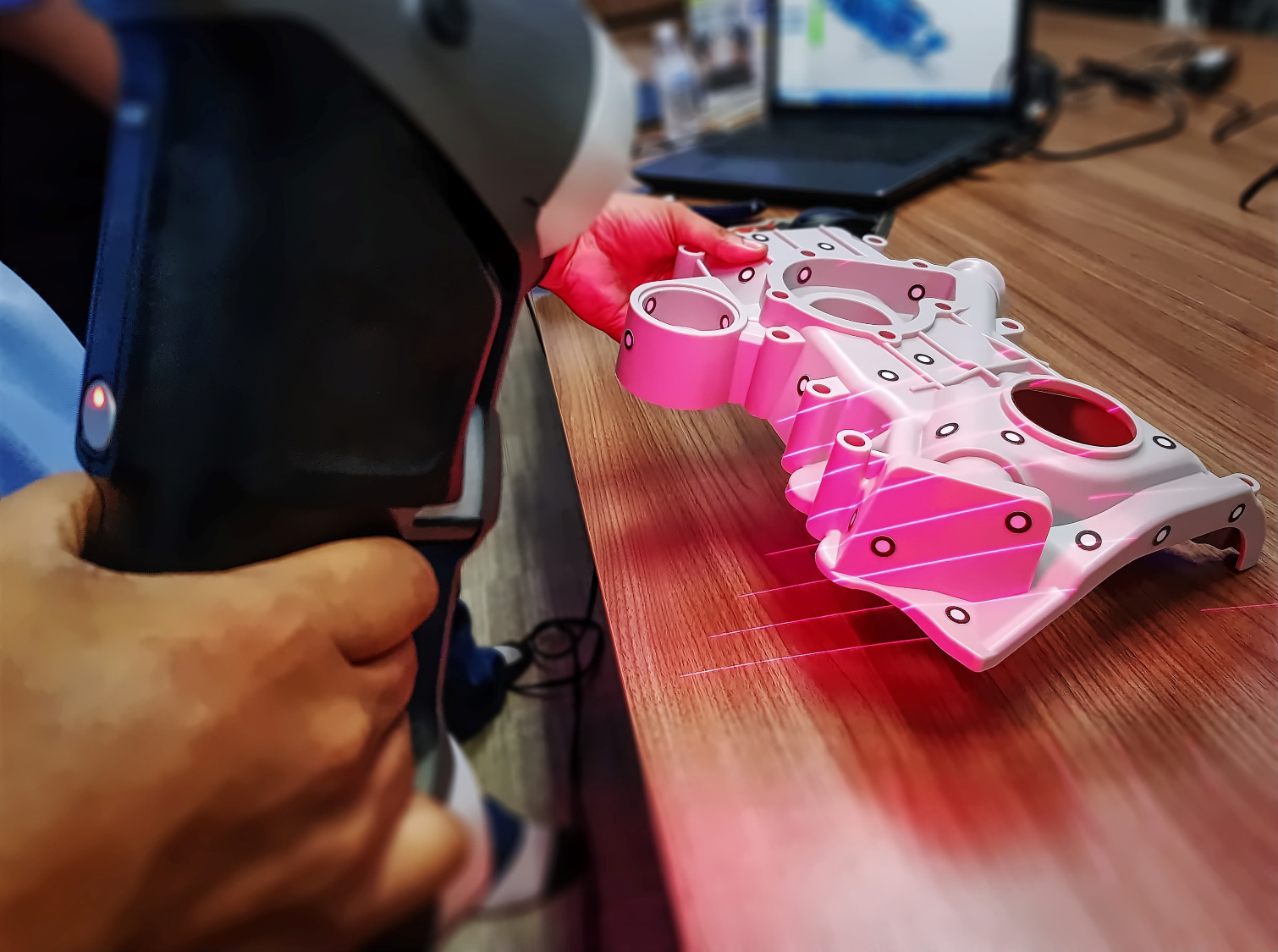
At Trantech we can digitalize physical components though the scanning of an object’s geometrical definitions, thus obtaining its tridimensional model. This process can be implemented for 3D printing or to get and object’s physical dimensions and reproduce the obtained model, which is commonly known as reverse engineering.

3D scanning allows our engineers to work in a project or design based on a physical component with complex characteristics for which there is no previous sizing or 3D modeling, so to carry out the design they must begin a reverse engineering process were the first step is a high-resolution 3D scan.

CNC MACHINING

SOLUCIÓN

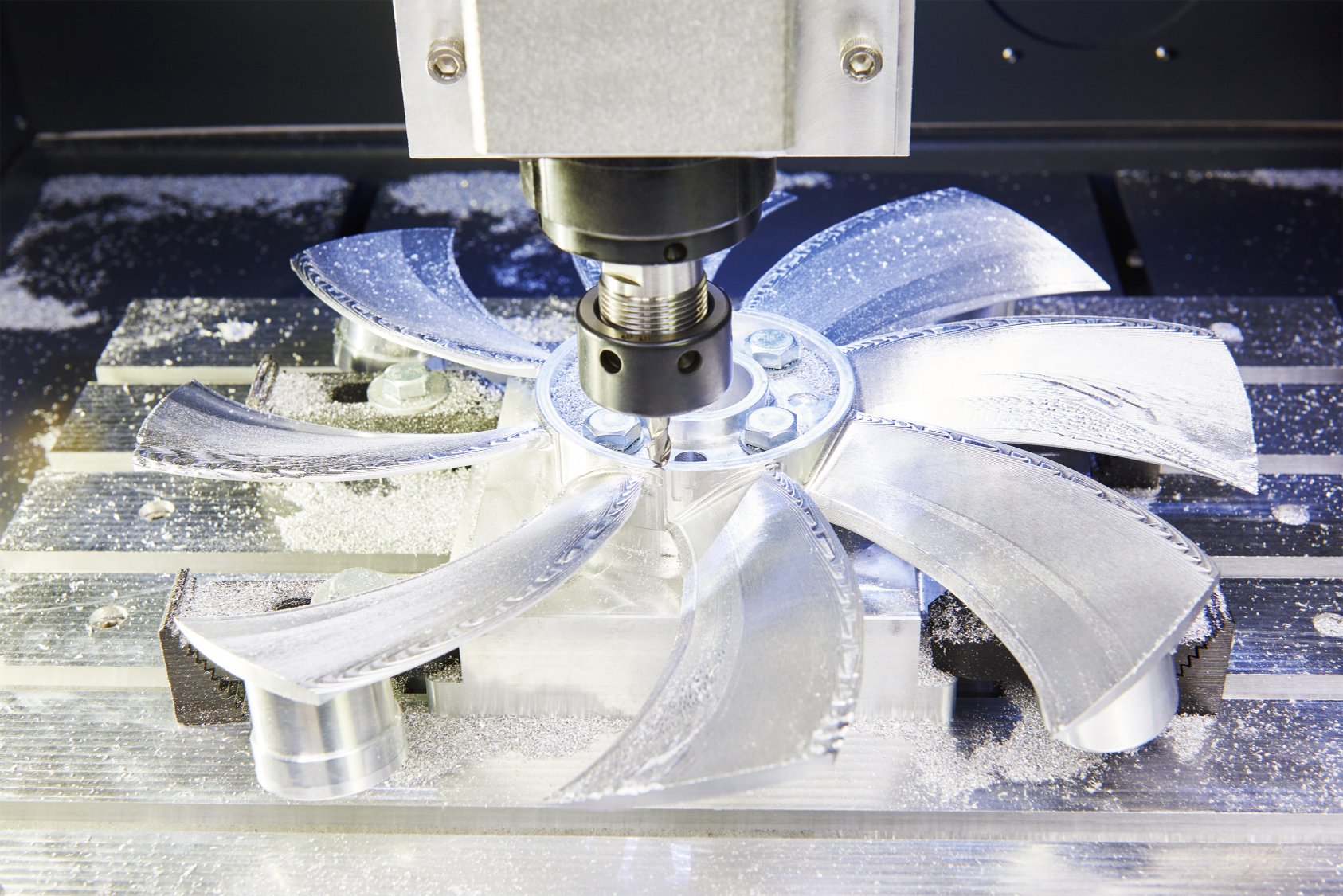
We have a manufacturing area specialized in CNC Milling and Turning processes as well as over 10 years of experience that allow us to provide our clients with complete satisfaction regarding their project’s manufacturing process. Our manufacturing services achieve tolerances of up to +-0.001’’ (0.5mm) based on ASME Y14.5 standard for a variety of final applications such as tooling for production, fixtures and gigs, molds, automated machinery, couplings, rollers, pulleys and much more.

We have the experience working with ferrous materials such as: 303, 304, 316 and 416 Stainless Steels, Carbon Steels, Tool Steels and more, as well as non-ferrous materials such as: 5052, 6061, 7075 and MIC-6 Aluminums, Brass, Bronze, Copper, Delrin, Acrylic, HDPE and Nylon plastics, and specialized materials such as: CELCOM M25, G10, PEEK and ULTEM, among others.
COMPOSITE MATERIALS

SOLUCIÓN

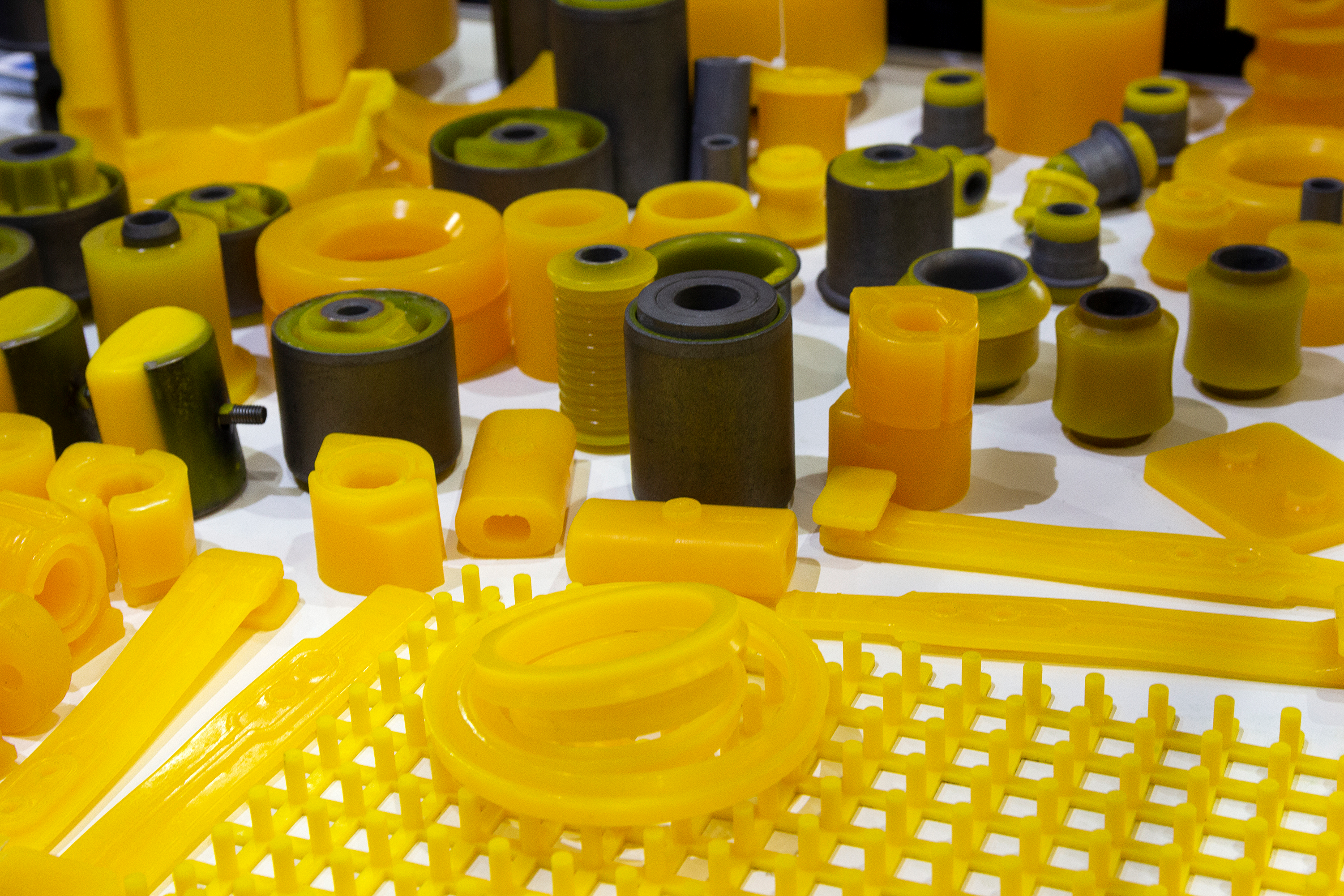
We have enough experience in the use of composite materials to fulfill our clients’ needs regarding vibration and noise reduction by means of manufacturing supports or packings custom designed for specific components as well as different products such as rollers where an improved grip is required for the product's final application.

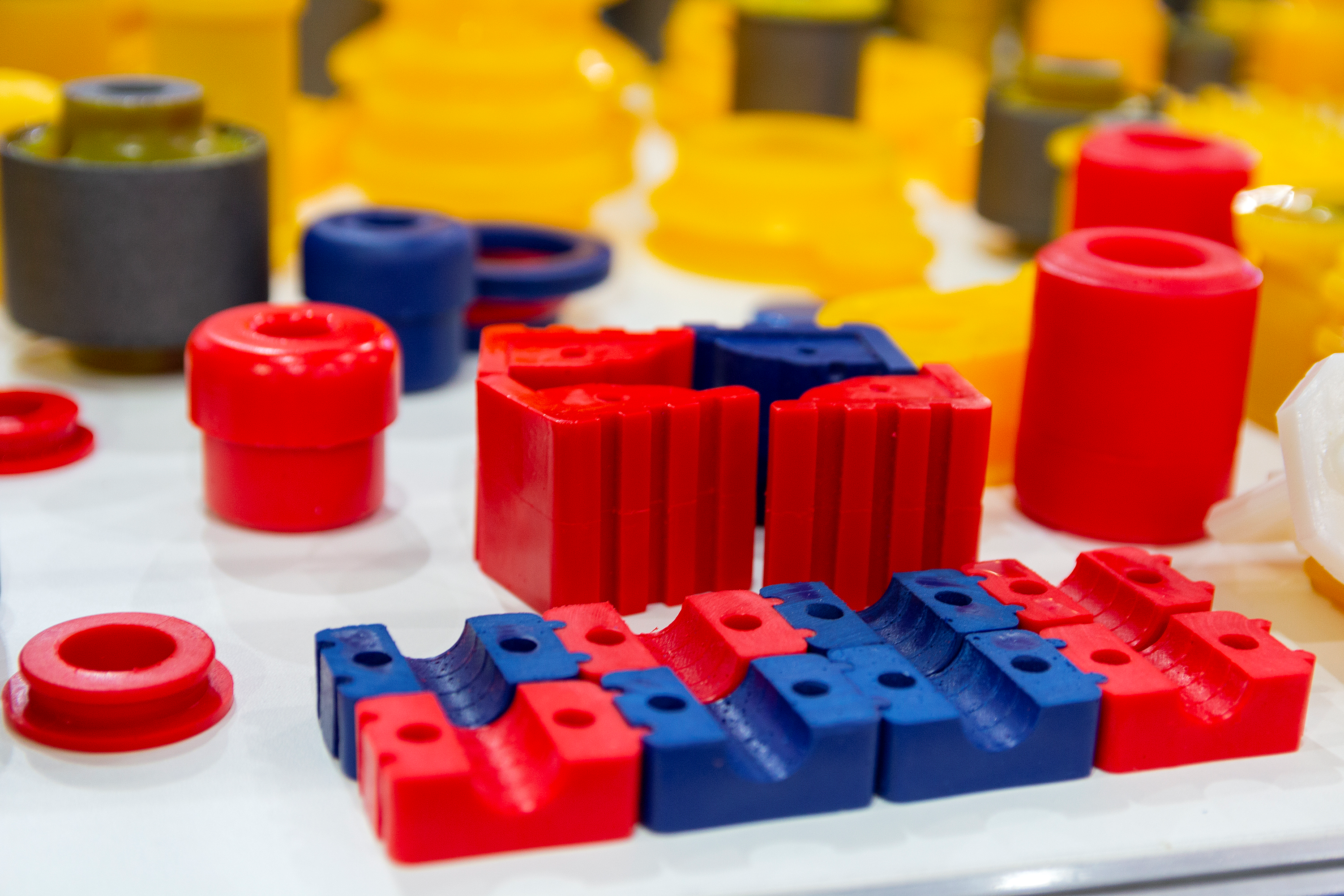
The composite material development process implemented in Trantech begins with the design of the component required for a specific application. Next is the design and fabrication phase of the custom mold and lastly the careful molding of the component to ensure a quality, imperfection-free product that can be cast in different materials, such as resins, urethanes and silicons of various harnesses and colors.

MOLD DESIGN

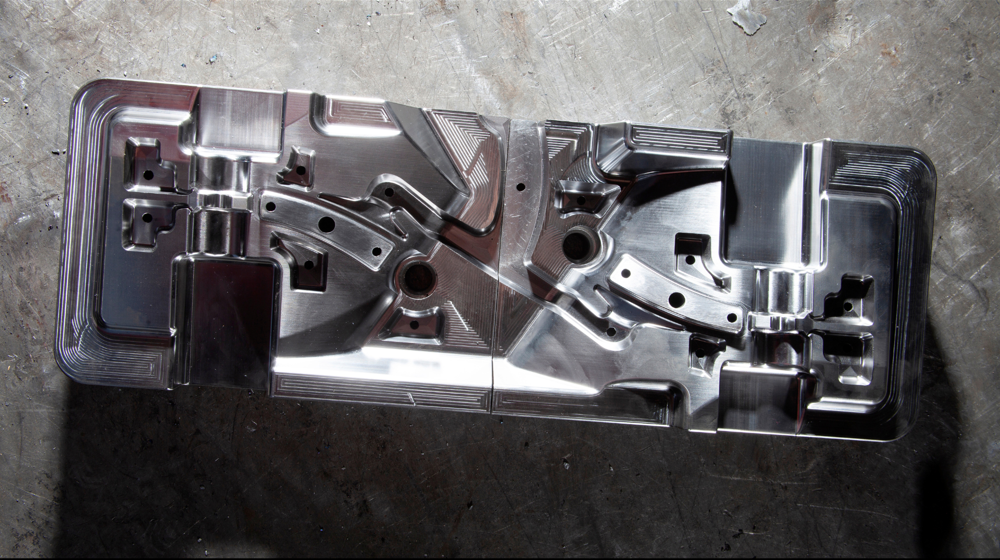
The mold’s complexity is determined by the piece that has the composite material application. We have the ability to design molds for pieces which have flat surface faces or tridimensional characteristics.

FIBERS

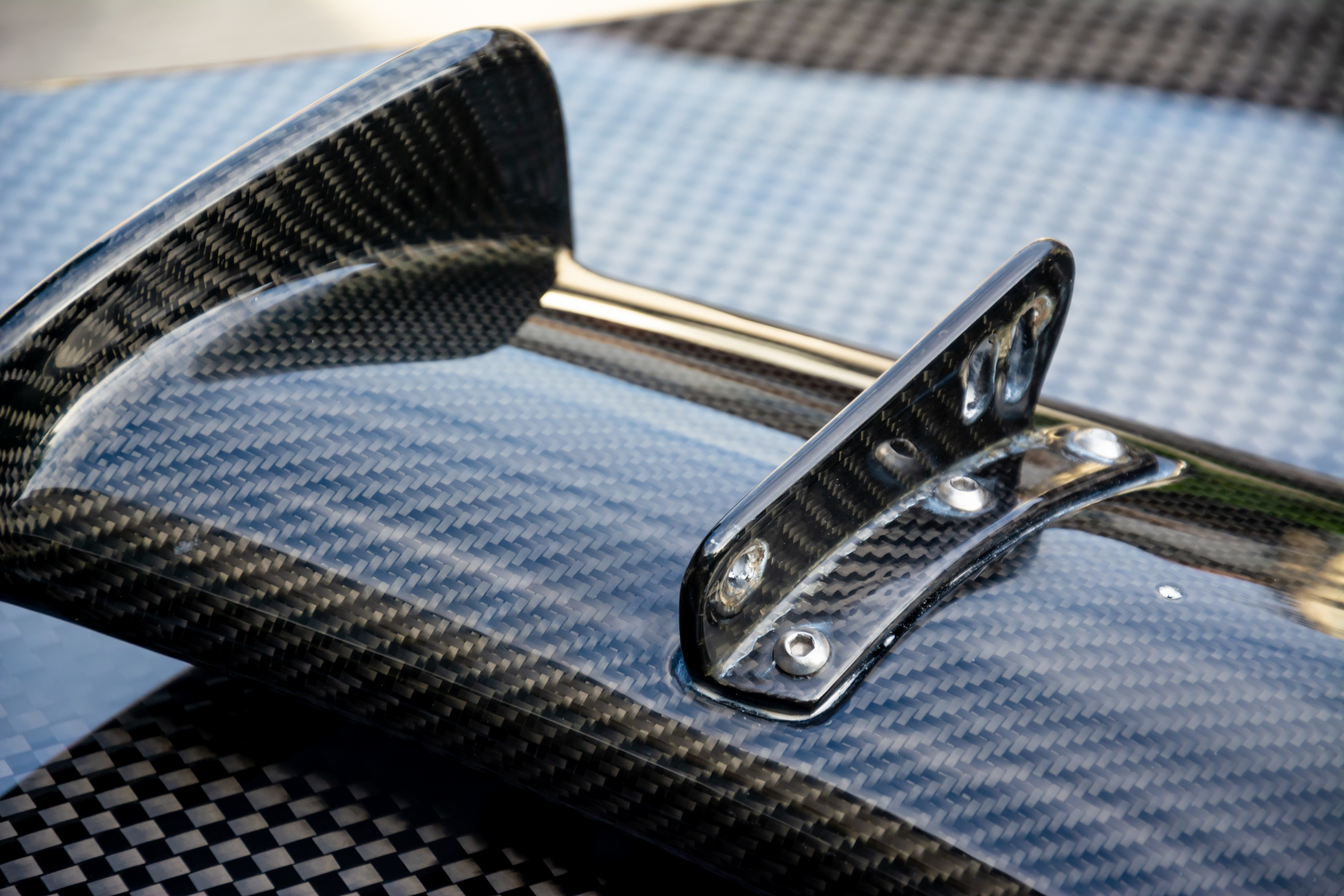
Our composite materials department has experience using glass, carbon, aramid and natural fibers for a variety of applications that range from reducing a system’s weight, preventing corrosion and even isolating a system from external temperatures.

These materials are used in the industry for their noise, vibration and temperature isolation properties. At Trantech we have experience implementing these materials for our clients in designs that require a high performance in acoustic testing applications, were the testing process has a high complexity and the system must be isolated from external noise and disruptions.

URETHANES & SILICONS

TRANTECH

Copyright © 2022 Trantech. Transcendent Technologies for your Success. All Rights Reserved.
Privacy Policy | Resource Attribuition